

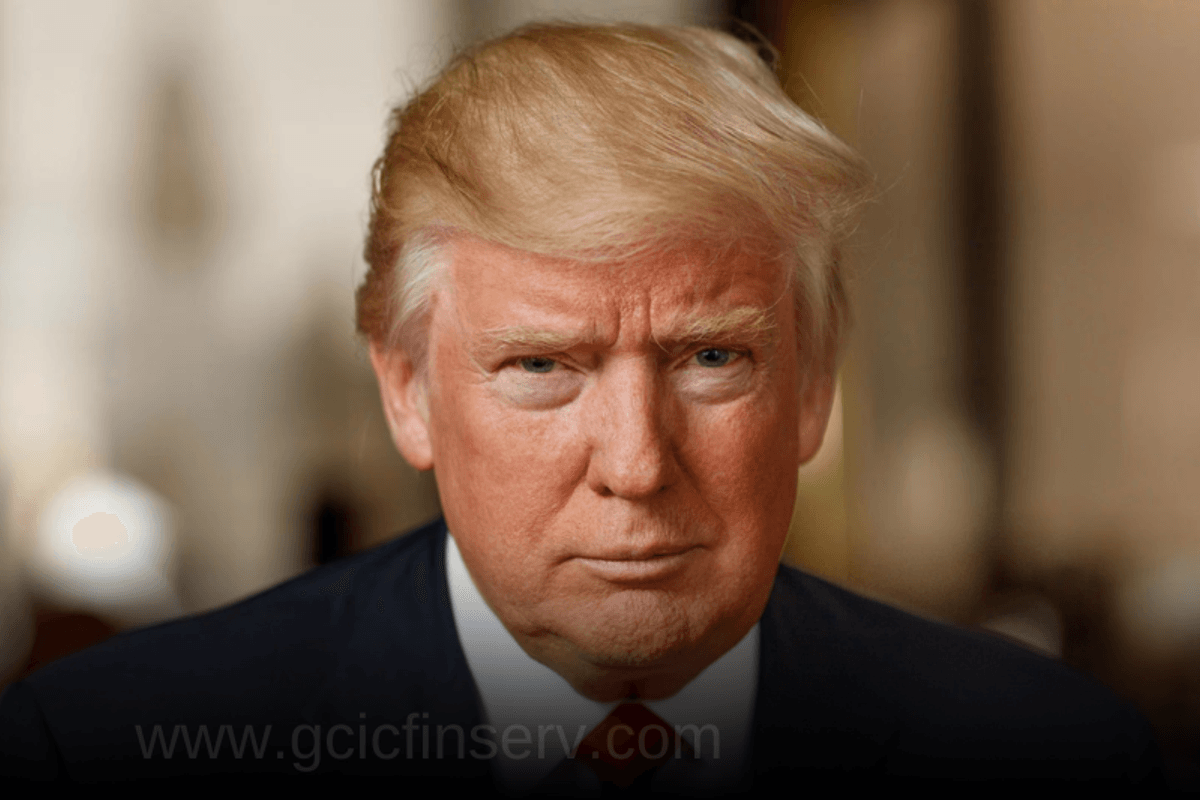
Indian rupee falls 20 paise against the U.S. dollar on August 5 as renewed trade tensions between India and the United States triggered investor concerns. The rupee opened at ₹87.85 against the dollar, compared with the previous close of ₹87.65, as markets reacted to former U.S. President Donald Trump's threat of higher tariffs on Indian imports over the country's Russian oil purchases.
The move came amid broader concerns about geopolitical tensions, potential foreign capital outflows and the impact of trade restrictions on India's economic outlook.
Trump's Accusation: Profiteering from Russian Oil
In a post on Truth Social, Trump accused India of purchasing "massive amounts of Russian oil" and allegedly reselling it for profit, while criticizing the country for being indifferent to the ongoing Russia-Ukraine war. He went on to say:
"They don’t care how many people in Ukraine are being killed by the Russian War Machine."
Trump concluded the post with a firm declaration:
“Because of this, I will be substantially raising the Tariff paid by India to the USA.”
This statement marked a fresh escalation in an already tense global trade environment.
India's Strong Rebuttal
India's Ministry of External Affairs (MEA) swiftly responded with a six-point rebuttal, asserting that India’s oil trade decisions are based on national interest and energy security, not on geopolitical pressures.
The MEA also called out the “double standards” of Western nations, pointing out that several of them had quietly expanded their own energy ties with Russia while criticizing India publicly.
MUFG Bank noted that the comments might be part of a negotiation tactic aimed at influencing India’s role in the Russia-Ukraine conflict:
"Whether these barrage of comments are mainly negotiating tactics against India to partly prod for changes in the Russia-Ukraine war remains to be seen."
Indian Rupee Falls as Markets React to Tariff Threats
According to Kunal Sodhani, head of treasury at Shinhan Bank:
“Trump tweets against India are creating pressure on the rupee.”
A senior private bank trader quoted by Reuters added that Trump's remarks only amplified the rupee’s vulnerability, which was already under pressure due to a challenging global environment.
"Today was already shaping up to be a difficult session, and Trump’s latest tariff threat only amplified the pressure.”
The trader further warned of potential capital outflows from Indian equities, triggered by heightened trade tensions, which could add to rupee weakness.
RBI’s Likely Role
Market watchers expect the Reserve Bank of India (RBI) to step in, if the rupee shows signs of deeper depreciation:
"They won’t want to let the rupee depreciate unchecked, especially in the face of U.S. rhetoric."
Domestic Sentiment & Policy Position
While Prime Minister Narendra Modi hasn’t directly addressed the tariff threat, he has repeatedly encouraged Indian citizens to "buy local" and support domestic industries — a sentiment that aligns with reducing dependency on foreign trade amid such tensions.
Conclusion: More Than Just Currency Fluctuation
The rupee’s dip on August 5 is more than a routine market move — it’s a reflection of geopolitical complexities, energy diplomacy, and global economic power plays. As the trade narrative between India and the U.S. evolves, markets may continue to witness heightened volatility, and investors will be watching both Washington and New Delhi closely for further developments.
Key Takeaway:Global politics are once again driving market sentiment. For investors and policy makers, the road ahead will require a fine balance between diplomacy, economic interests, and currency stability.
Mutual fund investments are subject to market risks, read all scheme related documents carefully. Past performance does not guarantee future returns.
Related Insights & Market Perspectives
What Happens to Your Investments After You Die? 7 Key Steps Every Delhi NCR Family Should Know
What happens to your investments after you die is a question many people avoid. We spend years deciding where to invest but very little time planning what happens to that money when we're gone. You may have mutual funds across several folios, shares in a demat account, fixed deposits with different banks, insurance policies, bonds,.
Indian Hotels profit up by 232% for Q2, reaching ₹554 crore, with revenue rising by 27%.
Indian Hotels profit jumped 232% year-on-year to ₹554.6 crore in the quarter ended September 2024, compared with ₹167 crore in the same quarter of the previous fiscal year. The strong increase in quarterly profit was accompanied by a 27.4% rise in operating revenue, highlighting continued growth in the company’s hospitality business. Indian Hotels Profit Rises.
Tata Motors shares rise even as net profit slides 30% in Q1, should you buy, sell, or hold?
Tata Motors shares rose in early trading on Monday, August 11, despite the automobile major reporting a 30% year-on-year decline in net profit for Q1 FY26. Investors are now assessing whether the recent weakness presents a buying opportunity or whether caution is warranted. Tata Motors Q1 FY26 Results Tata Motors reported a consolidated net profit of.