

Equity, Debt, or Hybrid? How to Choose the Right Mutual Fund for Your Goals
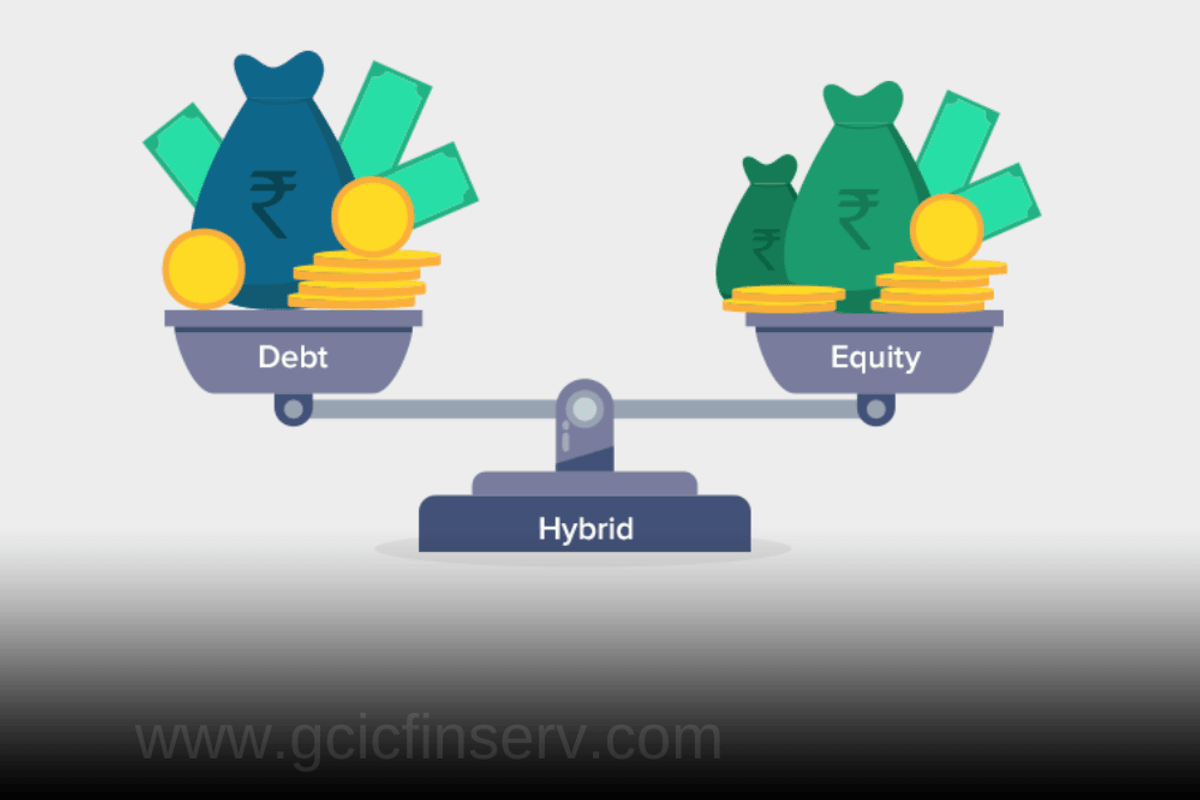
Mutual Fund Selection is an important step when you want to invest in mutual funds based on your financial goals. With equity, debt and hybrid mutual funds offering different levels of risk and potential returns, choosing the right option can feel overwhelming.
1. Equity Mutual Funds
Equity mutual funds invest primarily in shares of companies.
Who are they for? Investors with long-term goals, such as wealth creation, retirement planning, or funding a child’s education.
Pros: Potential for high returns over time, tax benefits if held for over one year, and a hedge against inflation.
Cons: Higher risk due to market volatility, making them less suitable for short-term investments.
2. Debt Mutual Funds
Debt mutual funds invest in bonds, government securities, and other fixed-income instruments.
Who are they for? Conservative investors seeking stable income, capital preservation, or short-term parking of funds.
Pros: Lower risk than equity, predictable returns, and better liquidity compared to fixed deposits.
Cons: Returns are generally lower than equities, and they may still face interest rate or credit risk.
3. Hybrid Mutual Funds
Hybrid mutual funds invest in a mix of equity and debt instruments.
Who are they for? Investors who want a balanced approach—some growth potential without taking on full equity risk.
Pros: Diversification reduces risk, automatic rebalancing between equity and debt, and suitability for medium-term goals.
Cons: Returns are moderate, and performance can vary depending on market conditions.
How to Match Funds with Your Investment Goals
When choosing between these funds, align them with your personal investment goals:
Short-Term Goals (up to 3 years):Debt mutual funds are more appropriate as they offer safety and predictable income.Examples: Building an emergency fund, saving for a vacation, or meeting upcoming expenses.
Medium-Term Goals (3–5 years):Hybrid mutual funds strike a balance between growth and stability.Examples: Down payment for a house, funding a wedding, or building a safety corpus.
Long-Term Goals (5+ years):Equity mutual funds are ideal for wealth creation, as they have the potential to outperform other assets over time.Examples: Retirement planning, children’s education, or building a financial legacy.
Key Factors for Effective Mutual Fund Selection
Risk Appetite: Understand whether you are conservative, moderate, or aggressive.
Time Horizon: Longer durations allow you to absorb short-term market fluctuations.
Financial Goals: Be clear about whether you need growth, income, or a mix of both.
Fund Performance & Costs: Look at the track record, expense ratio, and portfolio composition before investing.
Tax Efficiency: Consider how capital gains tax impacts your overall returns.
Final Thoughts
Choosing between equity mutual funds, debt mutual funds, or hybrid mutual funds isn’t about finding the “best” fund in isolation—it’s about finding the right fit for your investment goals. By aligning your choices with your risk tolerance, time horizon, and financial objectives, you can make smarter decisions and stay on track to build long-term wealth.
Successful investing begins with informed mutual fund selection. Take the time to evaluate your needs carefully, and if necessary, consult a financial advisor to craft a plan that works for you.
How to Invest in Mutual Funds
Getting started with mutual fund investing is simpler with GCIC Finserv. Contact us now
Mutual fund investments are subject to market risks, read all scheme related documents carefully. Past performance does not guarantee future returns.
Related Insights & Market Perspectives
What Happens to Your Investments After You Die? 7 Key Steps Every Delhi NCR Family Should Know
What happens to your investments after you die is a question many people avoid. We spend years deciding where to invest but very little time planning what happens to that money when we're gone. You may have mutual funds across several folios, shares in a demat account, fixed deposits with different banks, insurance policies, bonds,.
What Are Mutual Funds? A Beginner’s Guide to Smart Investing
What Are Mutual Funds? If you’re new to investing, you may have heard this question many times but still be unsure how mutual funds actually work. Mutual funds are a popular investment option because they allow investors to participate in a diversified portfolio managed by professionals. This beginner-friendly guide explains mutual fund basics, different types of.
Short-Term vs Long-Term Mutual Fund Investments: Which is Better for You?
Short term vs long term mutual funds is an important comparison for investors deciding how to align their investments with their financial goals. Mutual funds offer diversification, professional management and market-linked return potential, but the right investment approach depends on your goal, risk appetite, liquidity needs and time horizon. What Are Short-Term and Long-Term Mutual Funds?.