

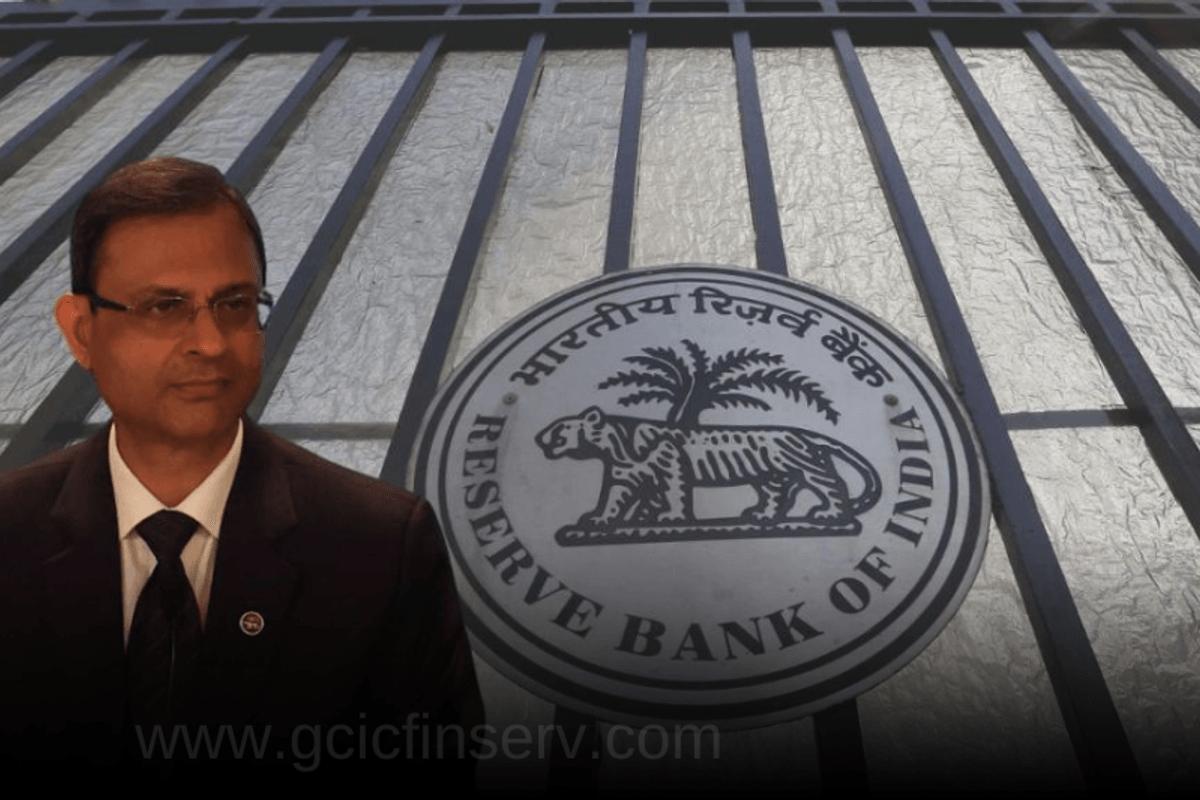
RBI August 2025 Monetary Policy kept key policy rates unchanged, with the Reserve Bank of India maintaining a neutral stance amid global uncertainties, inflation concerns and evolving domestic economic conditions.
RBI Governor Sanjay Malhotra, in a press briefing, reiterated that the central bank’s approach remains balanced and that it will continue to take appropriate measures to sustain economic momentum.
1. Policy Rates Unchanged
The RBI has kept all key policy rates, including the repo rate, unchanged. This decision reflects a wait-and-watch approach in light of evolving global and domestic economic conditions.
Despite pressure from rising commodity prices and geopolitical tensions, the RBI has refrained from making any aggressive moves, signaling confidence in the Indian economy's underlying strength.
2. Inflation Outlook: Mixed But Improving
The inflation outlook has improved thanks to a strong monsoon, which is expected to ease food prices in the coming months. However, headline inflation (CPI) may temporarily rise above 4% due to an unfavourable base effect and ongoing global challenges.
Core inflation (which excludes food and fuel) is expected to remain moderately above 4%, suggesting that while price stability is within reach, vigilance is still necessary.
3. GDP Growth Projection Held at 6.5%
India’s real GDP growth for FY26 has been projected at 6.5%, indicating steady momentum despite external challenges. The RBI emphasized that policy support will continue to ensure that growth remains resilient and broad-based.
Geopolitical Pressures in the Background
One of the major concerns influencing RBI’s stance is the escalating global trade tensions. The United States recently imposed a 25% import tariff on Indian goods, along with an undisclosed penalty related to India's military and energy trade with Russia. This, combined with the threat of further tariffs, has added a layer of uncertainty to India's trade outlook.
Governor Malhotra acknowledged these risks and emphasized the need for a measured and flexible policy stance to navigate global headwinds.
Bottom Line
The RBI’s decision to hold rates steady shows a deliberate strategy to balance growth and inflation without adding stress to borrowing costs. As the world economy remains volatile, India’s central bank is betting on domestic demand, better inflation control, and strategic support for growth sectors to keep the economy on track.
Investors, borrowers, and businesses can expect a stable policy environment in the near term, but all eyes remain on how global developments, especially on the trade front, unfold in the coming months.
Mutual fund investments are subject to market risks, read all scheme related documents carefully. Past performance does not guarantee future returns.
Related Insights & Market Perspectives
What Happens to Your Investments After You Die? 7 Key Steps Every Delhi NCR Family Should Know
What happens to your investments after you die is a question many people avoid. We spend years deciding where to invest but very little time planning what happens to that money when we're gone. You may have mutual funds across several folios, shares in a demat account, fixed deposits with different banks, insurance policies, bonds,.
Indian Hotels profit up by 232% for Q2, reaching ₹554 crore, with revenue rising by 27%.
Indian Hotels profit jumped 232% year-on-year to ₹554.6 crore in the quarter ended September 2024, compared with ₹167 crore in the same quarter of the previous fiscal year. The strong increase in quarterly profit was accompanied by a 27.4% rise in operating revenue, highlighting continued growth in the company’s hospitality business. Indian Hotels Profit Rises.
Rupee Drops as Trump Threatens Higher Tariffs on India Over Russian Oil Trade
Indian rupee falls 20 paise against the U.S. dollar on August 5 as renewed trade tensions between India and the United States triggered investor concerns. The rupee opened at ₹87.85 against the dollar, compared with the previous close of ₹87.65, as markets reacted to former U.S. President Donald Trump's threat of higher tariffs on Indian imports.