

RBI said to have sold at least $5 billion to boost rupee
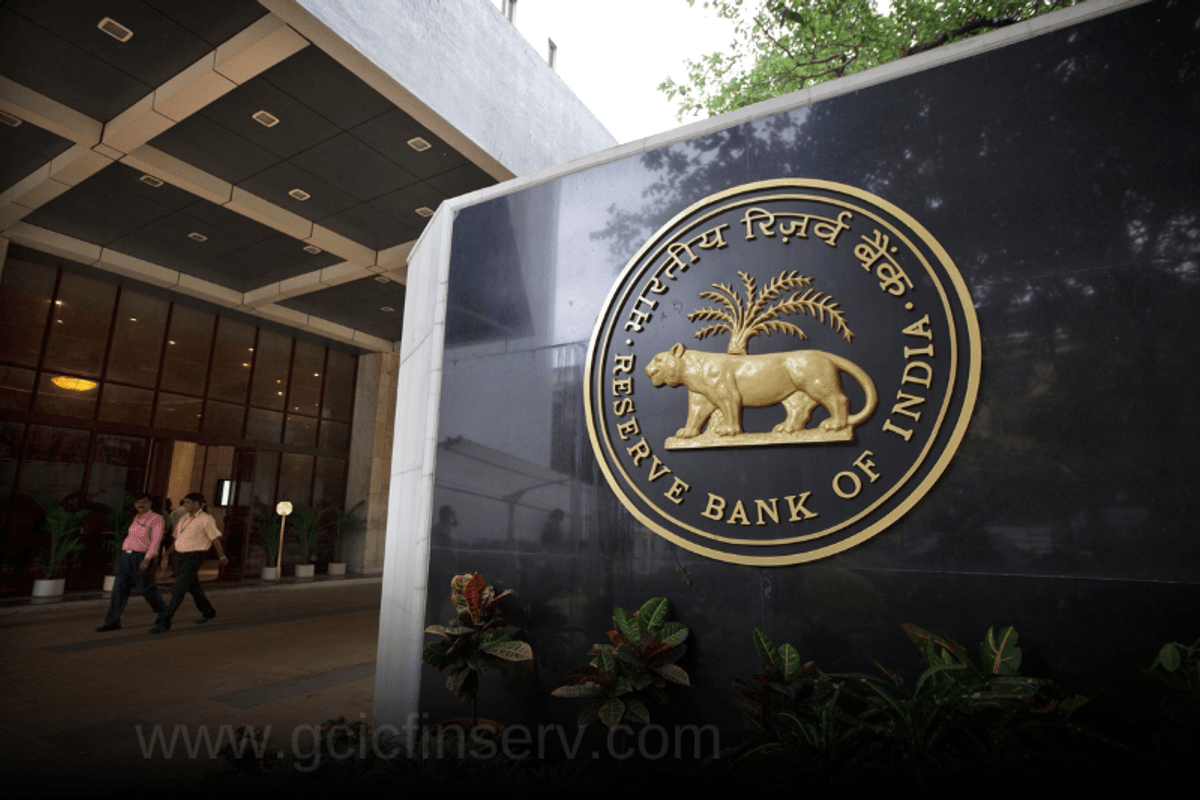
RBI intervention in the currency market has reportedly intensified as the Reserve Bank of India seeks to support the Indian rupee amid rising pressure from U.S. tariffs and increased currency volatility.
The rupee hit 87.89 per dollar last week, narrowly avoiding its all-time low, after U.S. President Donald Trump doubled tariffs on Indian goods to 50% on Aug. 6 in retaliation for New Delhi’s purchases of Russian oil. Economists warn that a weaker rupee could worsen imported inflation and weigh on the country’s fragile economic recovery.
This marked intervention signals a possible departure from the RBI’s cautious stance under Governor Sanjay Malhotra, who assumed office in December. The rupee has fallen over 2% this year, ranking among Asia’s worst-performing currencies, with roughly half of the slide occurring in the past two weeks following Trump’s tariff announcement.
“The recent RBI intervention seems to have more to do with their dislike of the volatility in the exchange rate,” said Dhiraj Nim, currency strategist at Australia and New Zealand Banking Group Ltd. The rupee held steady at 87.62 per dollar on Monday.
Sources said the RBI was active in offshore markets ahead of domestic trading hours last week, using non-deliverable forwards to influence the currency without directly selling large amounts of dollars. This strategy, also employed last year, was accompanied by a sharp $9.3 billion drop in forex reserves to $689 billion in the week ending Aug. 1 — the steepest fall since November. While part of the decline reflects valuation changes in global currencies, it also points to increased market activity by the central bank.
Mutual fund investments are subject to market risks, read all scheme related documents carefully. Past performance does not guarantee future returns.
Related Insights & Market Perspectives
What Happens to Your Investments After You Die? 7 Key Steps Every Delhi NCR Family Should Know
What happens to your investments after you die is a question many people avoid. We spend years deciding where to invest but very little time planning what happens to that money when we're gone. You may have mutual funds across several folios, shares in a demat account, fixed deposits with different banks, insurance policies, bonds,.
IMF Raises India’s FY26 Growth Forecast to 6.4% Citing Lower Inflation and Strong Reforms
IMF India growth forecast for FY2025-26 has been raised to 6.4%, up from the previous estimate of 6.2% announced in April. The upward revision in the International Monetary Fund’s latest World Economic Outlook update reflects lower inflation, a more favorable external environment and continued economic reforms. The IMF has also raised its FY2026-27 GDP growth.
Bonds 101: 5 Simple Terms for Understanding Bond Prices and Yields
Understanding bond prices and yields can feel complicated when you first see a bond listing with terms such as 8% coupon, 7.5% yield, ₹1,000 face value, 2031 maturity, or a market price of ₹980 or ₹1,020. But the basic idea is simple. A bond is essentially a loan. You lend money to a government, company,.