

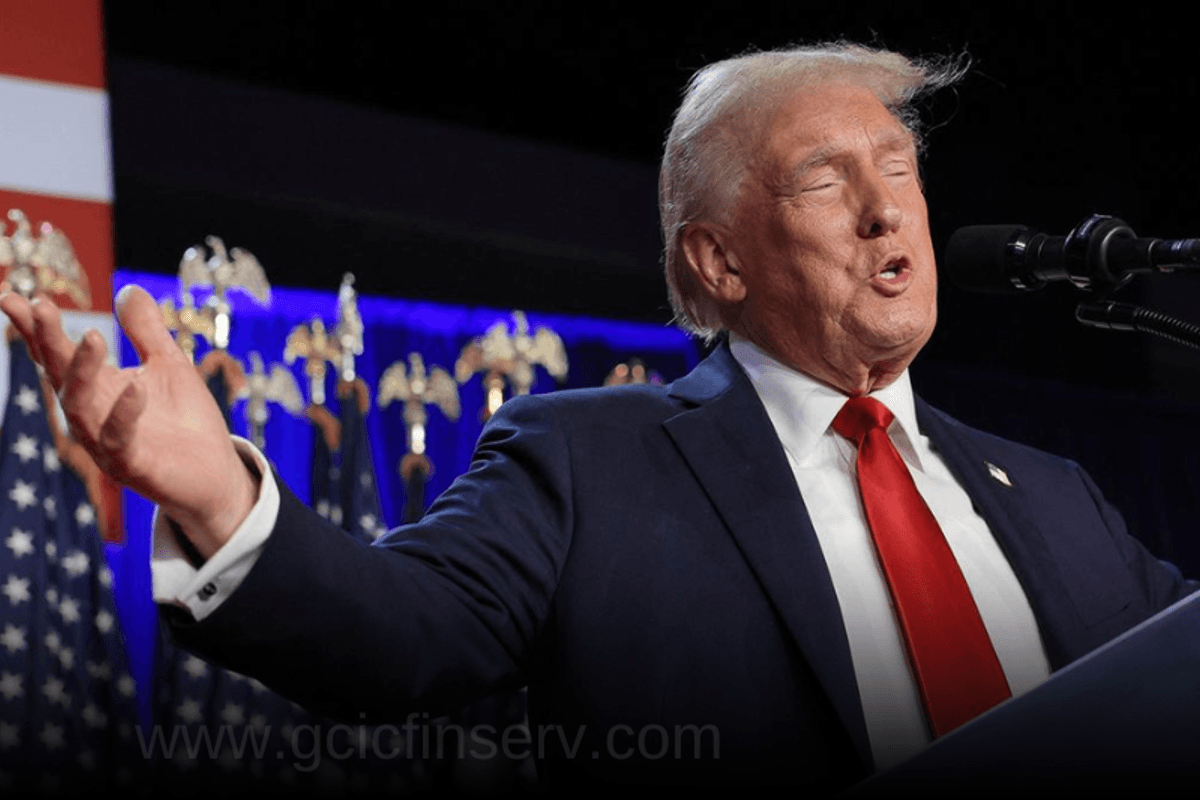
Rupee decline could reach 8-10% against the U.S. dollar during Donald Trump’s second term, according to an SBI research report. The report suggests that the Indian currency may experience temporary depreciation before stabilizing as global trade policies, tariffs and investment flows adjust to the new U.S. administration.
The potential rupee decline could create both challenges and opportunities for India. While a weaker currency may increase the cost of imports such as crude oil, it could support export-oriented sectors including textiles, manufacturing and agriculture.
Trump’s return to office is seen as a catalyst for select markets, but attention is shifting to broader economic effects and potential realignments in supply chains. According to the report, Trump's administration presents both challenges and opportunities for India. While short-term risks like increased tariffs, a strong dollar, and potential restrictions on H-1B visas could create market volatility, there are long-term benefits for India, such as expanding its manufacturing sector, diversifying export markets, and enhancing economic independence.
Impact of Rupee Decline on Indian Exports and Imports
The report notes that while the rupee could weaken, this may be beneficial for export sectors like textiles, manufacturing, and agriculture. However, depreciation could also increase import costs, especially for commodities like oil, with minimal inflation impact projected.
Rupee Decline and Its Impact on FDI and Indian IT
In addition, the report anticipates that foreign direct investment (FDI) patterns may shift, as India is now receiving FDI in diverse sectors such as renewable energy, maritime transport, and medical equipment. The Trump administration’s potential for H-1B visa restrictions could also impact Indian IT firms, potentially raising costs as companies may need to hire locally in the U.S.
SBI’s analysis concludes that while the rupee may experience fluctuations, it is unlikely to face extreme depreciation, and India's broader economic base may provide resilience amidst the evolving U.S.-India economic relationship.
Read also: Mutual fund monthly SIP inflow crosses Rs 25,000 crore mark for first time
Mutual fund investments are subject to market risks, read all scheme related documents carefully. Past performance does not guarantee future returns.
Related Insights & Market Perspectives
What Happens to Your Investments After You Die? 7 Key Steps Every Delhi NCR Family Should Know
What happens to your investments after you die is a question many people avoid. We spend years deciding where to invest but very little time planning what happens to that money when we're gone. You may have mutual funds across several folios, shares in a demat account, fixed deposits with different banks, insurance policies, bonds,.
Indian Hotels profit up by 232% for Q2, reaching ₹554 crore, with revenue rising by 27%.
Indian Hotels profit jumped 232% year-on-year to ₹554.6 crore in the quarter ended September 2024, compared with ₹167 crore in the same quarter of the previous fiscal year. The strong increase in quarterly profit was accompanied by a 27.4% rise in operating revenue, highlighting continued growth in the company’s hospitality business. Indian Hotels Profit Rises.
Rupee Drops as Trump Threatens Higher Tariffs on India Over Russian Oil Trade
Indian rupee falls 20 paise against the U.S. dollar on August 5 as renewed trade tensions between India and the United States triggered investor concerns. The rupee opened at ₹87.85 against the dollar, compared with the previous close of ₹87.65, as markets reacted to former U.S. President Donald Trump's threat of higher tariffs on Indian imports.